What should you do if your dental equipment needs to be repaired?
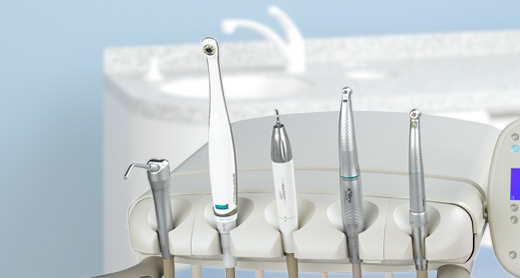
Dental equipment is a significant capital investment for a dental practice, so it’s important to keep it functional as long as possible. Of course, typical wear and tear on machines and other equipment can necessitate occasional repairs in addition to regularly scheduled maintenance.
1. Identify the problem
As best as you are able, try to determine what’s not working. Try to remember when your equipment began having problems and whether anything may have happened that could have caused a problem—perhaps the last patient or the cleaning crew.
2. Check the warranty
If the equipment in question is a relatively new purchase, you may still be covered by a warranty—either from the manufacturer or retailer—for parts and labor. New dental chairs, for instance, typically come with 5-year manufacturer warranties.
3. Consult the supplier or manufacturer
Many dental equipment retailers offer phone and online support for the products they sell.
4. Get recommendations for technicians
If you cannot determine and fix the problem with your equipment yourself, you’ll need to call a technician. Good dental equipment technicians have the following qualities:
Knowledgeable
Trustworthy
Professional
Good listeners
Effective communicators
5. Repair versus buy new
In some cases, fixing broken equipment may cost more in the long run than buying a newer model, especially as older replacement parts can be harder and more expensive to acquire for a repair. An experienced technician will consider your professional needs and help you decide whether to spend money to fix what’s broken or to buy new equipment. Of course, if an item can’t be fixed, buying a new one is necessary.
Dental chair: 15 years
Operating stool: 15 years
Dental Handpiece: 3 years
Dental Ultrasonic Scaler: 10 years
Dental Autoclave: 10 years
Air compressor: 12 years
Vacuum system: 10 years


Comments
Post a Comment